

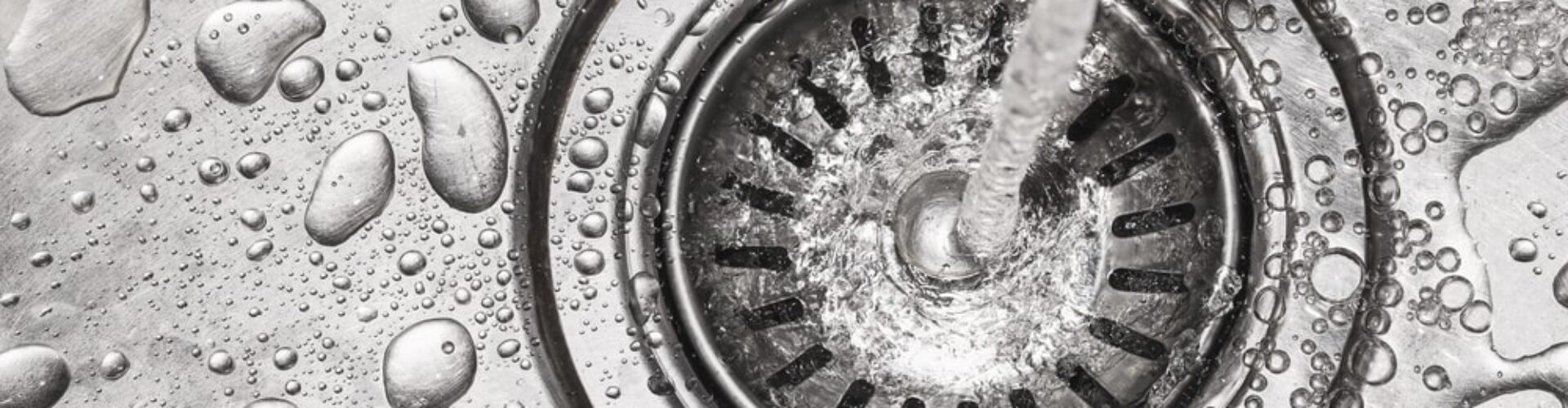
How to Prevent Blocked Drains in Your Kitchen and Bathroom
Blocked drains are one of the most common plumbing issues homeowners face. Kitchen sinks, bathroom basins, and showers can easily become clogged due to everyday waste like grease, soap, and hair.
The good news is that many drain blockages can be prevented with simple maintenance habits.
If you live in Berwick, Beaconsfield, or Emerald, following these preventative plumbing tips can help keep your drains flowing smoothly and reduce the chances of needing emergency plumbing repairs.
1. Avoid Pouring Grease Down the Sink
Grease and cooking oils are a major cause of blocked kitchen drains.
When hot grease is poured down the sink, it may seem harmless. However, as it cools inside the pipes, it hardens and sticks to the pipe walls. Over time this buildup traps food particles and creates a stubborn blockage.
Better alternatives:
Let grease cool and dispose of it in the bin
Wipe oily pans with paper towels before washing
Use sink strainers to catch food scraps
2. Use Drain Strainers
Drain strainers are inexpensive and very effective at preventing clogs.
These small mesh covers sit over the drain opening and catch debris before it enters the pipes.
They are especially useful for preventing:
Food scraps in kitchen sinks
Hair in shower drains
Soap residue buildup
Cleaning the strainer regularly keeps water flowing freely.
3. Be Careful What You Flush
Toilets are only designed to handle human waste and toilet paper.
Flushing other items can quickly lead to blocked pipes.
Items that should never be flushed include:
Wet wipes (even “flushable” ones)
Paper towels
Cotton buds
Sanitary products
Tissues
These materials do not break down easily and can create serious plumbing blockages.
4. Run Hot Water After Using the Sink
Running hot water for a few seconds after using the sink helps flush grease and soap residue through the pipes.
This simple habit helps prevent buildup inside kitchen and bathroom drains.
Hot water is particularly helpful after washing dishes that contain oils or fats.
5. Clean Drains Regularly
Regular drain cleaning can prevent small buildup from turning into a full blockage.
A simple method is to flush the drain monthly using:
Boiling water
Baking soda
Vinegar
Allow the mixture to sit for about 10–15 minutes before flushing with hot water.
This helps remove minor buildup and eliminate unpleasant odours.
6. Remove Hair From Shower Drains
Hair is one of the biggest causes of blocked bathroom drains.
When hair combines with soap residue, it forms clumps that easily block pipes.
To prevent this:
Use a shower drain hair catcher
Remove visible hair after showering
Clean the drain cover regularly
These small steps can prevent larger plumbing problems.
7. Schedule Professional Drain Maintenance
Even with good habits, drains can still accumulate debris over time.
Professional plumbers can inspect and clean your drainage system using specialised tools.
Common professional methods include:
High-pressure drain jetting
CCTV drain inspections
Mechanical drain clearing
Routine maintenance can identify problems early and prevent major blockages.
Preventing Blocked Drains in Berwick, Beaconsfield & Emerald
Preventative maintenance is the best way to avoid costly plumbing repairs. However, if your drains are already slow or blocked, professional help may be needed.
Better Plumbing Solutions provides blocked drain services and plumbing maintenance for homes across:
Berwick
Beaconsfield
Emerald
surrounding South-East Melbourne suburbs
Experienced plumbers can identify the cause of drain problems and restore proper flow safely.
FAQs
What is the most common cause of blocked drains?
The most common causes include grease buildup, hair, soap residue, and food waste entering the pipes.
How often should I clean my drains?
A monthly preventative clean using hot water or baking soda and vinegar can help reduce buildup.
Are chemical drain cleaners safe?
Chemical cleaners may damage pipes if used frequently. Natural methods or professional cleaning are usually safer.
Why does my kitchen sink keep blocking?
Grease, oil, and food scraps are the main reasons kitchen sinks become clogged.
When should I call a plumber for blocked drains?
If your drains are slow, making gurgling noises, or backing up, it’s best to contact a professional plumber.